*THE CHOICE LOOP
How Decisions Shape Future Outcomes
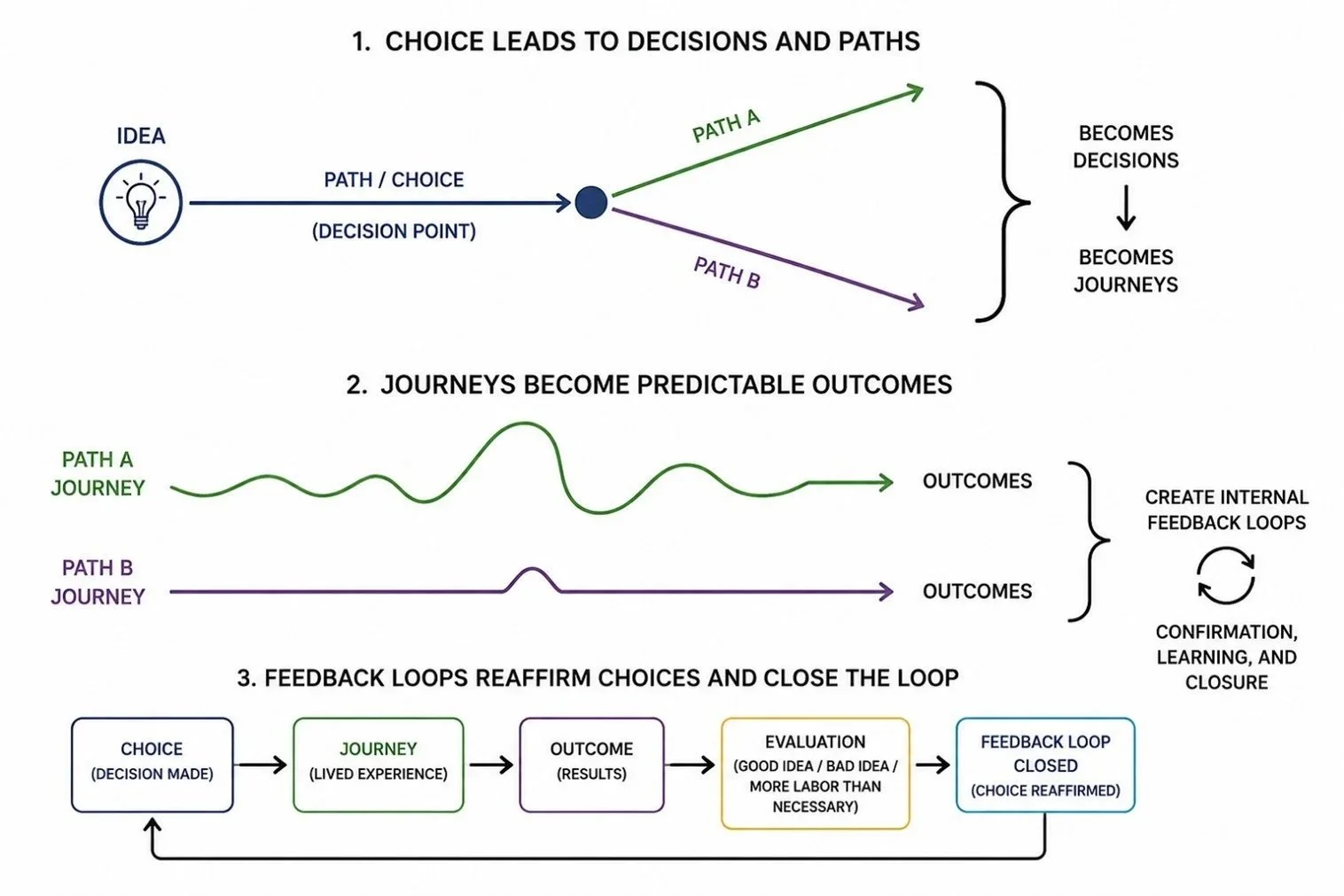
Every decision creates a path.
Some paths are obvious. Others only make sense in hindsight. What makes decision-making fascinating is that we are constantly learning from both the roads we travel and the ones we never take. Over time, those experiences form internal feedback loops that influence future choices, sharpen intuition, and shape the way we move through life.
Most people think growth only comes from direct experience. In reality, we also learn from avoided mistakes, missed opportunities, and outcomes we observe from a distance. Every result becomes information. Every choice leaves an imprint.
That process is happening constantly, whether we notice it or not.

Why Outcomes Matter More Than Intentions
People often judge decisions based on intention. But life tends to evaluate decisions by outcomes.
You can have the best intentions and still create unnecessary struggle. You can also make a simple, instinctive choice that saves time, energy, stress, or emotional wear.
The outcome becomes data.
That data feeds your internal evaluation system. Your mind starts building patterns around what worked, what failed, what felt efficient, and what created friction. Over time, those patterns become instincts.
Think about something as simple as choosing a route home from work.
One day, you decide to take a side street instead of your usual highway route. Later, you discover there was a massive traffic accident on the highway that delayed everyone for two hours. Suddenly, your small decision feels significant. Your brain records the experience and quietly tells itself, “That alternative route worked out well.”
The next time traffic feels questionable, you are more likely to trust your instincts.
That is a feedback loop in action.

The Hidden Lessons in the Paths We Avoid
One of the most overlooked parts of decision-making is the value of the path not taken.
People often focus only on what happened. But what did not happen can shape us just as much.
Imagine two friends applying for jobs.
One accepts a high-paying position at a company known for burnout and long hours. The other chooses a smaller company with less prestige but better work-life balance.
Months later, the first friend is exhausted, overwhelmed, and questioning everything. The second friend has less stress, more creative freedom, and room to grow.
The person who chose the second option receives something powerful: confirmation.
Not arrogance. Not luck. Confirmation.
Their experience reinforces the idea that choosing peace, sustainability, and long-term growth mattered more than chasing appearance or status.
That realization strengthens future decision-making.
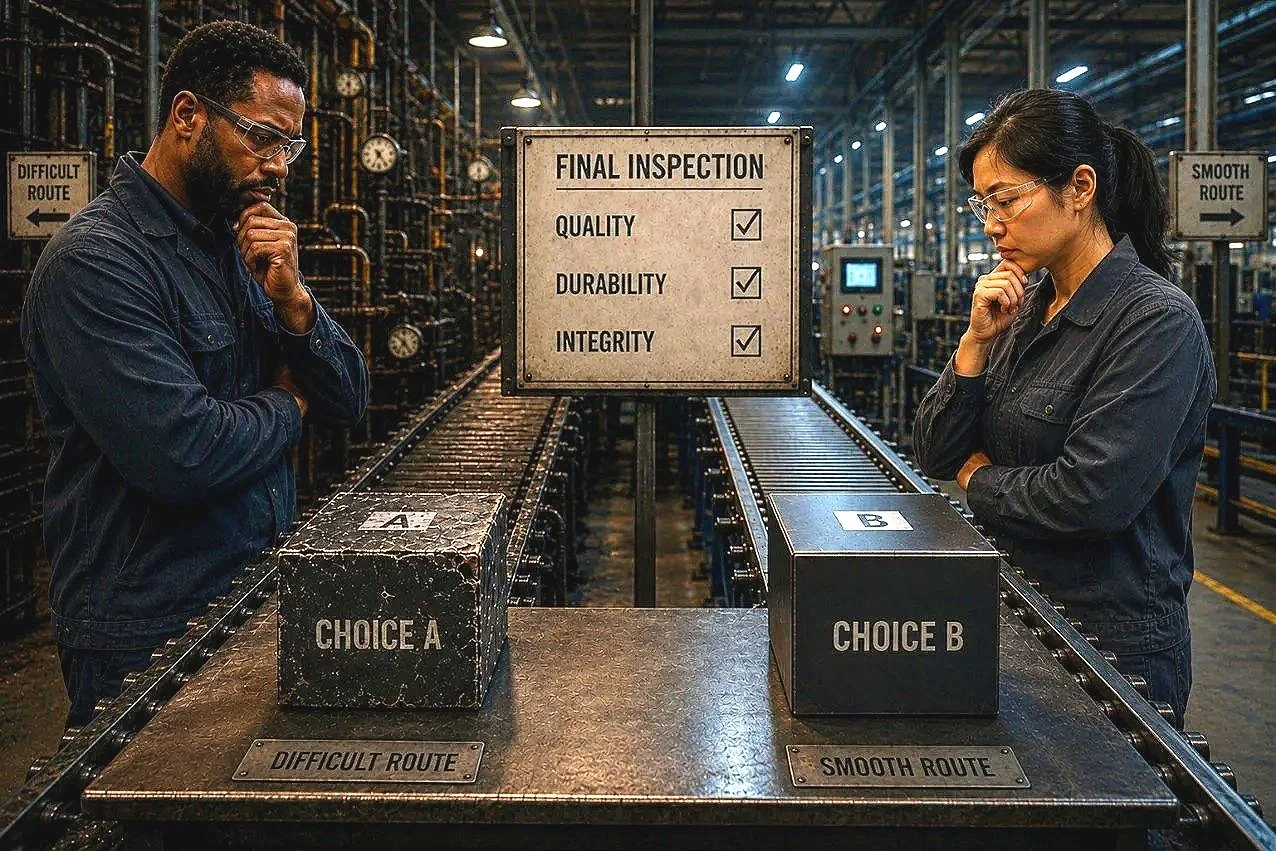
How Internal Feedback Loops Shape Identity
Every confirmed outcome becomes part of your personal operating system.
When a decision leads to relief, progress, opportunity, or emotional stability, your brain begins associating similar choices with safety and effectiveness. When choices lead to chaos, regret, or unnecessary struggle, your system remembers that too.
Over time, repeated experiences form patterns.
That is why some people become more confident with age. It is not because they suddenly know everything. It is because they have accumulated enough evidence from lived experiences to trust themselves more deeply.
You start noticing things like:
Certain environments drain your energy.
Certain people consistently create stress.
Certain risks are worth taking.
Certain shortcuts create bigger problems later.
Life becomes less random once you start recognizing these patterns.
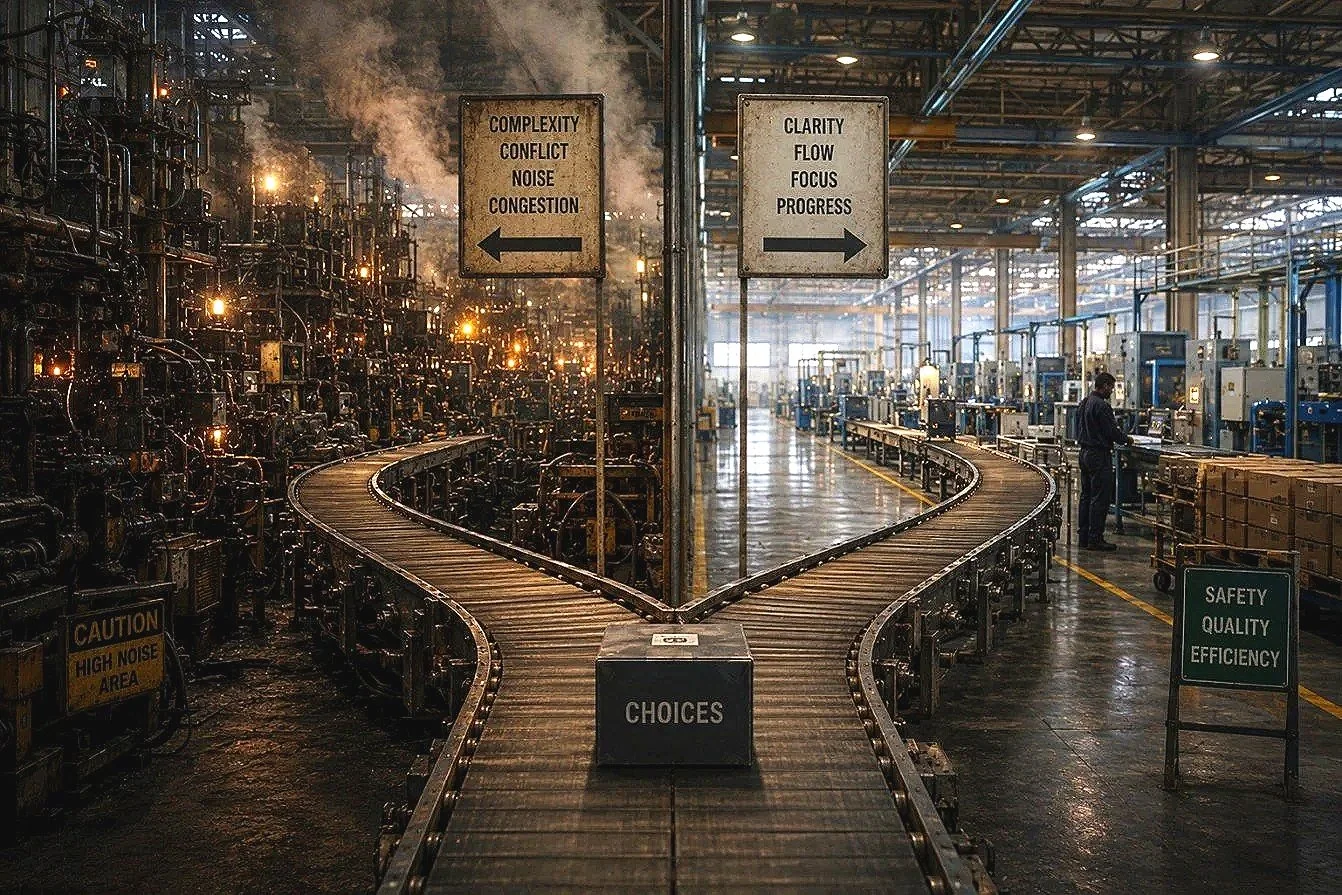
The Coffee Shop Example Everyone Understands
Imagine walking into a crowded coffee shop with two lines.
One line is packed with impatient people and barely moving. The other line is shorter, calmer, and moving quickly. You pick the shorter line without overthinking it.
Five minutes later, someone in the long line starts arguing about a wrong order, while the entire line stalls.
Immediately, your brain registers a tiny emotional reward.
“Good choice.”
That may seem insignificant, but life is full of these moments. Small confirmations stack over time and train your instincts.
Now multiply that process across relationships, careers, finances, friendships, business decisions, and personal growth.
The stakes become much bigger.
Experience Is More Than Action
We often think experience only comes from direct participation. That is not entirely true.
Observation also teaches.
Watching someone else repeat harmful patterns can teach you what to avoid. Seeing a friend rush into a bad business deal may strengthen your patience. Observing another person ignore obvious warning signs can sharpen your awareness.
Even distance creates learning.
The mind is constantly collecting evidence from the environment, storing emotional associations, and building frameworks for future choices.
Every experience, direct or indirect, contributes to the way we interpret future opportunities.
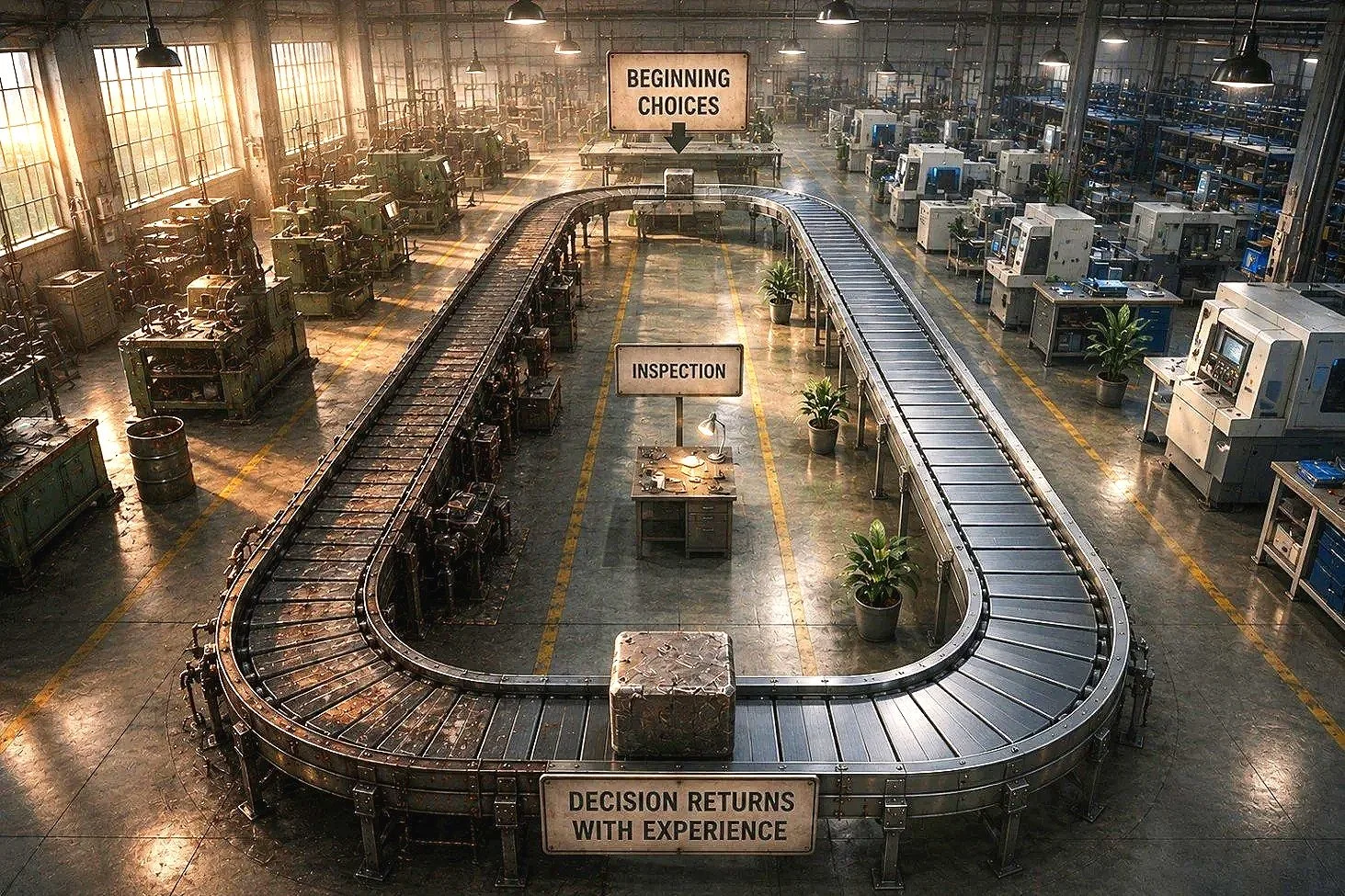
Why Some Decisions Feel “Right” Later
Sometimes a decision feels uncertain in the moment but becomes clear with time.
That happens because outcomes eventually reveal information that we did not have access to during the decision itself:
A canceled trip later avoids a natural disaster.
A missed opportunity protects you from a failing business.
A rejected relationship saves you from years of instability.
At first, these moments feel disappointing. Later, they become evidence that not every closed door is a loss.
This is one reason hindsight feels so powerful. It closes the loop between uncertainty and understanding.
Your Life Is a Collection of Confirmed Patterns
Every choice creates movement. Every movement creates outcomes. Every outcome teaches something.
Eventually, your life becomes a collection of reinforced patterns shaped by experience, reflection, and observation.
Some feedback loops help us grow. Others trap us in repeated mistakes. The key is becoming aware of the patterns we continue validating through our decisions.
Because once a pattern becomes familiar, it often starts feeling normal, whether it is healthy or destructive.
That is why awareness matters.
The more consciously you evaluate outcomes, the better your future decisions become.
Every decision leaves a trace.
Some traces become lessons. Others become warnings. Many become confirmations that quietly shape how we think, react, trust, and move forward.
The fascinating part is that we are always learning, even from the paths we never walked.
And sometimes the greatest clarity comes not from what happened, but from realizing what could have happened if we had chosen differently.
JAH