*SO… WHO DECIDED THAT?
How culture takes shape through collective meaning
It is easy to treat culture like a finished product, something neatly packaged and handed down from the past. In reality, it is far less polished and far more human. Culture is built in real time, shaped by people trying to make sense of the world around them and then agreeing, often quietly, that certain meanings are worth keeping.
Think about how symbols come to matter. At some point, someone decided a circle could stand in for the sun, or that a specific pattern carried a deeper message. On its own, that idea means very little. But once a group accepts it, repeats it, and passes it along, it begins to stick. Over time, it moves from a simple reference to something with emotional and social weight. It becomes part of a shared language.
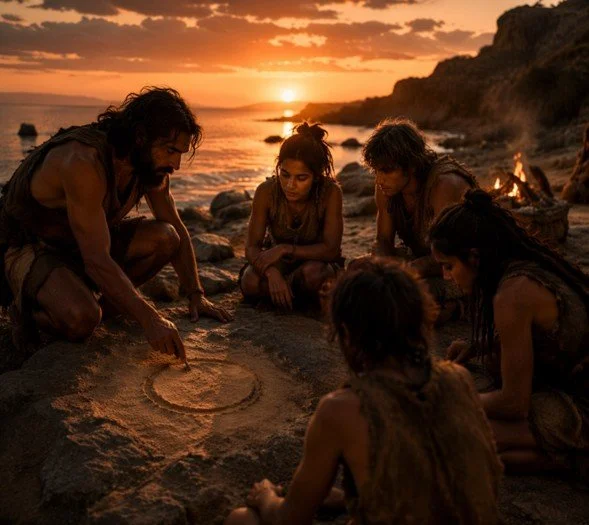
This is how cultural significance forms. It is not assigned overnight, and it is not created by a single person. It grows through repetition and recognition. Families pass ideas to other families. Communities pick them up, reshape them, and carry them forward. Eventually, what started as a small agreement becomes something that feels established and even timeless.
At the heart of it all is a basic human instinct: the need to understand both the physical world and the less tangible aspects of existence. Culture helps bridge that gap. It offers ways to connect everyday life with larger questions about purpose, belief, and identity. Even the simplest symbol can carry layers of meaning when it has been used long enough and by enough people.

This is also why very little is entirely new. While technology continues to advance in ways that feel unprecedented, the patterns behind cultural expression tend to repeat. People reinterpret, remix, and reframe what already exists. What changes is not the desire to create meaning, but the tools and contexts used to express it.
That perspective matters when looking at how culture is shared today. It is easier than ever to encounter styles, symbols, and traditions from places far beyond one’s own experience. There is nothing wrong with appreciating what resonates. The issue begins when appreciation stays at the surface and gets reduced to a passing trend.
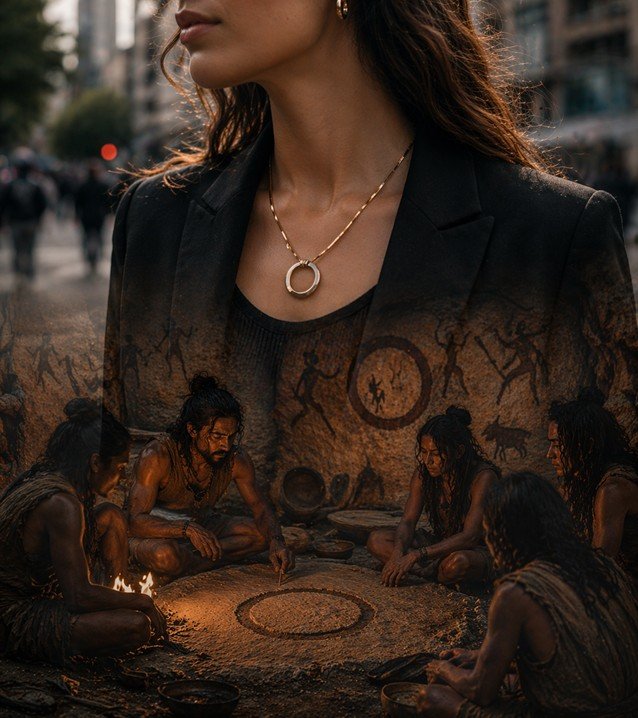
When cultural elements are treated as trends or visual accents, the depth behind them is often overlooked. Many of these elements carry histories tied to survival, belief systems, or collective memory. They have helped people make sense of difficult moments or maintain a sense of identity over time. Stripping that context away can flatten something that was never meant to be simple.
Engaging with culture does not require expertise, but it does benefit from curiosity. A small effort to understand where something comes from or what it has meant to others can shift the experience from passive consumption to thoughtful appreciation. It turns a borrowed image into a point of connection.
Culture, at its core, is something people build together. It is created, repeated, adjusted, and carried forward across generations. The more we recognize that process, the easier it becomes to approach it with both interest and respect.
JAH